

Many wellness center owners hear the same questions from clients: Do you offer medical weight management? Can I get hormone testing? What about labs or longevity programs?
Adding these services can create a new source of revenue and make your business more useful to clients. But you need a clear plan for who provides the medical care, how clients move through the process, and who helps when questions come up.
Start with roles
Know what your business does—and what it does not do.
Your wellness center can introduce the programs, provide general education, encourage clients, and offer nonmedical support that fits your team's training. You can also keep the experience under your brand so clients know where to begin and who to contact.
Medical care is different. An independent licensed provider should review the client's information, decide whether a program is appropriate, answer medical questions, and prescribe treatment when appropriate.
This means you do not have to build and staff your own medical practice to add these services. You do need a model that keeps the medical work with licensed providers and gives your team a clearly defined, nonmedical role.
A simple rule: your team supports the wellness experience; licensed providers make the medical decisions.
Make this difference clear on your website, during intake, in staff training, and in every conversation with a client.
The connected path
Make the process easy for clients to follow.
A good program should feel simple from the client's point of view. They learn about the service on your website, complete a secure intake form, and meet with an independent licensed provider. If treatment or testing is appropriate, the pharmacy or laboratory handles the next step.
Support matters after that initial visit, too. Clients need to know where to go with medical questions, order questions, billing issues, or general program questions. Your staff should not have to chase several vendors to find an answer.
What to look for: one clear process that connects intake, provider review, pharmacy or lab services, payments, and ongoing support.
Compare the options
Three operating models wellness centers usually consider.
| Model | What it offers | What to consider |
|---|---|---|
| Build a medical practice | Maximum direct control over the clinical operation. | Licensure, clinical staffing, protocols, compliance, vendor management, and significant fixed cost. |
| Refer clients elsewhere | A simple way to point clients toward care. | The experience and revenue usually move outside your brand, with limited visibility into the journey. |
| Use a connected platform | A branded wellness experience connected to independent licensed providers and operational infrastructure. | Choose carefully: role clarity, pricing, program selection, service, and workflow quality vary by platform. |
Evaluation framework
What to look for in a telehealth platform.
The right telehealth platform should make your business easier to run and the client experience easier to understand. Do not choose one based only on the medications it lists.
Start with pricing. Ask for a clear explanation of the monthly platform fee, provider costs, medication or lab costs, transaction fees, and any other charges. You should understand what you pay and what your business may charge before you sign.
Look at the full program selection. A broader range of supported programs gives you room to start small and add services later without changing platforms.
Common options include medical weight management, hormone health, sexual health, longevity programs, peptides, and comprehensive lab testing. Availability will depend on the platform, the client's state, provider protocols, pharmacy or laboratory coverage, and whether the client is medically eligible.
Ask what support is included. Find out who helps with setup, client questions, pharmacy or laboratory issues, and day-to-day problems after launch.
Also ask these questions before signing:
- Who makes the medical decisions?
A good answer is simple: independent licensed providers evaluate clients, decide whether treatment is appropriate, provide medical advice, and prescribe when appropriate. This should also be explained clearly to clients.
- Does the experience stay under your brand?
Clients should begin with your business and move through a clear, branded experience. Any handoff to a provider, pharmacy, or laboratory should be easy to understand.
- Which states, programs, pharmacies, and laboratories are supported?
Ask for a current, specific list. Avoid vague answers about nationwide service or future programs that are not available yet.
- How are privacy, consent, marketing, and staff roles handled?
The platform should provide clear processes and practical guidance so your team knows what it may say, do, and access.
- What happens when someone needs help?
There should be a clear support path for your staff and clients, with defined responsibility for medical, billing, pharmacy, laboratory, and technical questions.
- Can you start small and expand later?
A flexible platform should let you begin with a focused set of programs and add more as client demand grows.
Practical next steps
A five-step launch checklist for wellness center owners.
Launch timing depends on how much setup is required. A business with its branding, program choices, staff plan, and onboarding information ready may move quickly. A more complex offering will take longer. Ask any platform for a realistic timeline and a clear list of what it needs from you before launch.
- Validate demand. Review client questions, service gaps, audience demographics, and the programs they already buy elsewhere.
- Choose a focused program mix. Start with services that fit your audience and can be clearly supported by your existing team.
- Train your team. Give staff clear language for discussing the offering without making clinical promises or unsupported health claims.
- Prepare compliant marketing. Use truthful, supportable claims and make the roles of your business and independent providers easy to understand.
- Launch, listen, and improve. Track questions, friction, engagement, and retention so the experience gets better over time.
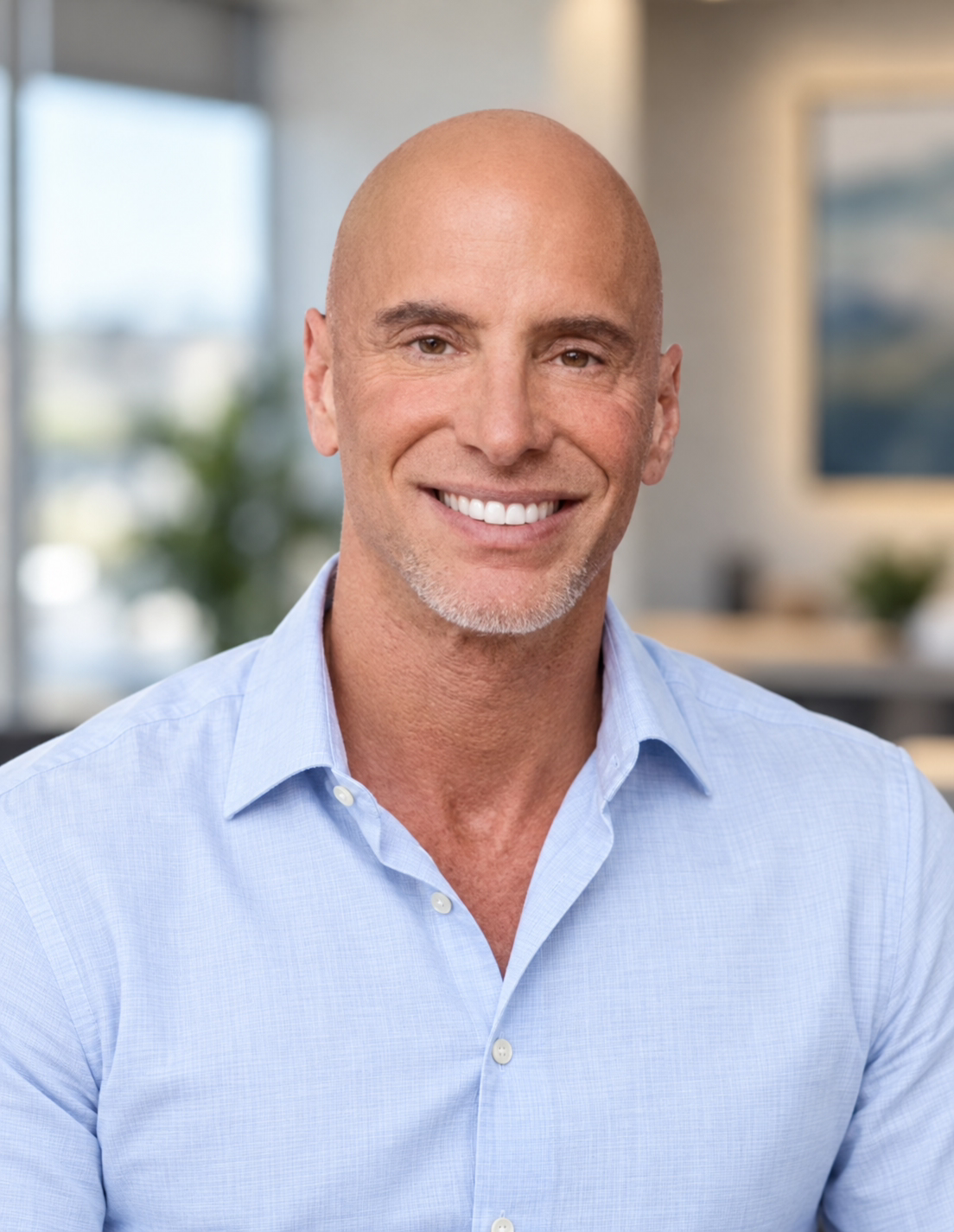
Damon Cozamanis, D.C.
Founder & CEODamon is a healthcare entrepreneur with more than 30 years of experience as a provider and business owner. He has successfully launched and continues to operate several seven- and eight-figure healthcare platforms. He founded Sinta Health to bring that same practical operating experience to wellness business owners who want to expand their services and build lasting growth.
Frequently Asked Questions
Can a wellness center add medical wellness services without becoming a medical practice?
Yes. A wellness center can use a model that keeps medical evaluation, treatment decisions, medical advice, and prescribing with independent licensed healthcare providers. The wellness business remains focused on its brand, client experience, general education, and appropriate nonmedical support.
Who makes the medical decisions?
Independent licensed healthcare providers review each client, determine whether a program is appropriate, answer medical questions, and prescribe treatment when clinically appropriate. The wellness center should not make those decisions.
What types of programs can a wellness center offer?
Options may include medical weight management, hormone health, sexual health, longevity programs, peptides, and comprehensive lab testing. Availability depends on the platform, the client's state, provider protocols, pharmacy or laboratory coverage, and medical eligibility.
How long does it take to launch?
Timing depends on the platform and how prepared the business is. Branding, program selection, onboarding information, staff training, and required operational steps should all be completed before launch. Ask for a clear checklist and a realistic timeline.
This guide is for general education only. It is not legal or medical advice. Rules vary by state, service, and business structure, so speak with qualified legal and compliance professionals about your situation.